The Role of Music in Cultural Integration: Bridging Divides through Sound
Cultural integration is a process of bringing different cultures together, fostering mutual understanding, and promoting social cohesion. Music, with its universal language and emotional power, plays a crucial role in this process. This article explores the transformative role of music in bridging divides and fostering cultural integration.
The Universality of Music
Music, as a universal language, bridges cultural divides by evoking emotions and conveying messages that surpass verbal understanding. Appreciated and understood across cultures, it unites people through a shared human experience, regardless of the genre or style. Whether it’s a catchy pop tune or a soul-stirring classical composition, music’s ability to transcend cultural boundaries fosters connection and emotional resonance on a profound level.
Music as a Reflection of Cultural Identity
Music is a powerful means through which different cultures express their identities. Traditional music genres, deeply rooted in specific cultural contexts, reflect the values, beliefs, and histories of a community. From the rhythmic beats of African drumming to the melodic intricacies of Indian classical music, these genres carry the cultural significance of their respective societies. By preserving and promoting cultural heritage, music becomes a vehicle for cultural integration, fostering appreciation and understanding between different groups.
Music’s Role in Breaking Stereotypes
Music has the capacity to challenge and break down stereotypes. Artists across the globe are using music as a medium to challenge cultural biases and prejudices. Through their lyrics and performances, they address social issues, advocate for equality, and dismantle misconceptions. By exposing audiences to diverse musical genres and narratives, music broadens perspectives, encouraging listeners to challenge their preconceived notions and embrace cultural diversity.
Music as a Catalyst for Cultural Exchange
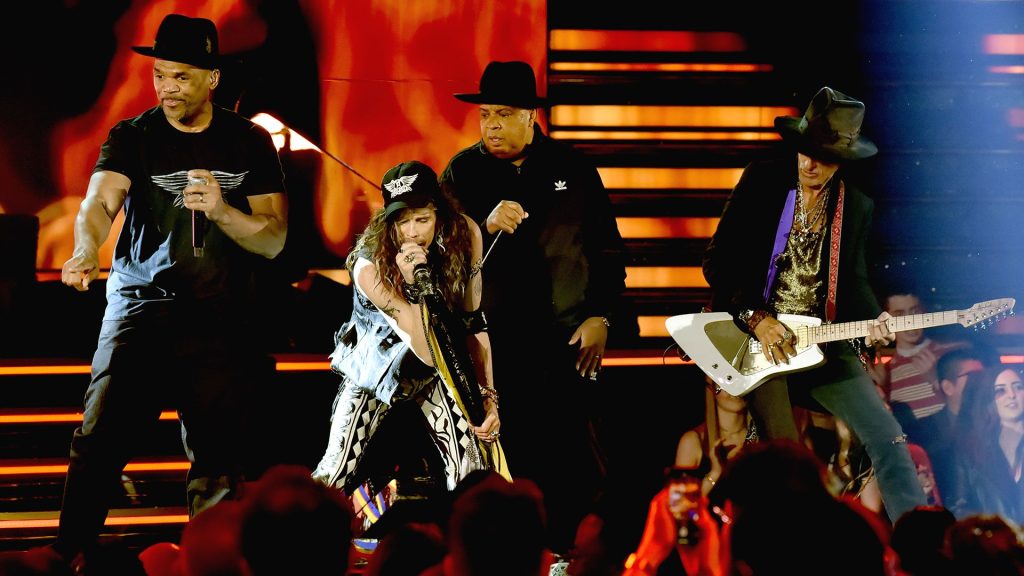
Music festivals and events serve as platforms for cultural exchange. These gatherings bring together artists and audiences from diverse backgrounds, creating opportunities for collaboration and dialogue. Successful music collaborations across cultures have resulted in fusion genres, blending different musical styles to create something new and exciting such as Aerosmith and RUN-DMC‘s legendary collaboration. “Walk This Way.” Such collaborations foster understanding, appreciation, and respect for different cultural expressions, promoting cultural integration on a global scale.
Music’s Impact on Social Cohesion
Music has the unique ability to bring communities together. Whether it’s a neighbourhood block party or a stadium concert, music has the power to create a shared experience, breaking down barriers and fostering a sense of unity and belonging. In times of crisis or conflict, music has served as a unifying force, promoting healing, reconciliation, and social cohesion. It provides a common ground where people can connect, celebrate, and find solace, transcending social divisions and promoting empathy.
Challenges and Opportunities in Music’s Role for Cultural Integration
While music has the potential to bridge divides, there are challenges and barriers that need to be addressed. Cultural appropriation, misrepresentation, and commercialization of music can hinder genuine cultural integration. To leverage music effectively, it is essential to approach it with cultural sensitivity, respecting and honouring the traditions and values associated with different musical expressions. Opportunities lie in embracing music education, promoting diverse programming in mainstream media, and supporting grassroots initiatives that empower artists from marginalized communities.
Conclusion
Music serves as a powerful tool for cultural integration, acting as a universal language that transcends borders and languages. It reflects cultural identities, challenges stereotypes, facilitates cultural exchange, and promotes social cohesion. It is up to individuals and communities to embrace the power of music, actively seeking opportunities to engage with diverse musical expressions and fostering a sense of unity and understanding. By recognizing and celebrating the role of music in cultural integration, we can bridge divides and build a more inclusive and harmonious world.