From Protests to Popularity: The Enduring Influence of Music on Culture and Society
Music has always been an integral part of society, serving as a reflection of cultural trends throughout history. From folk songs to protest anthems, music has always had the power to express political, social, and cultural views. In this blog post, we will explore the impact of music on society and how it reflects current cultural trends.
Music as a mirror of society
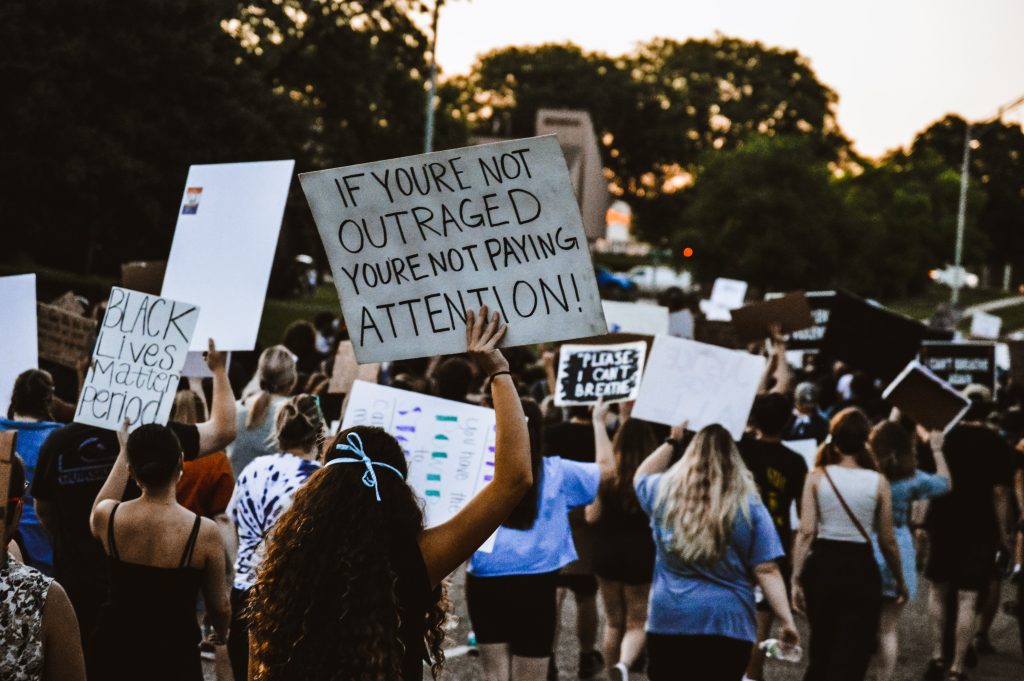
Music has been a powerful medium for expressing social and political views throughout history. Protest songs in the 1960s, such as Bob Dylan’s “Blowin’ in the Wind” and “A Hard Rain’s A-Gonna Fall,” not only spoke out against the Vietnam War but also expressed a broader sense of dissatisfaction with the political and social status quo. The anti-war movement was fueled in part by the music of the era, with artists such as Joan Baez and Pete Seeger performing at rallies and protests.
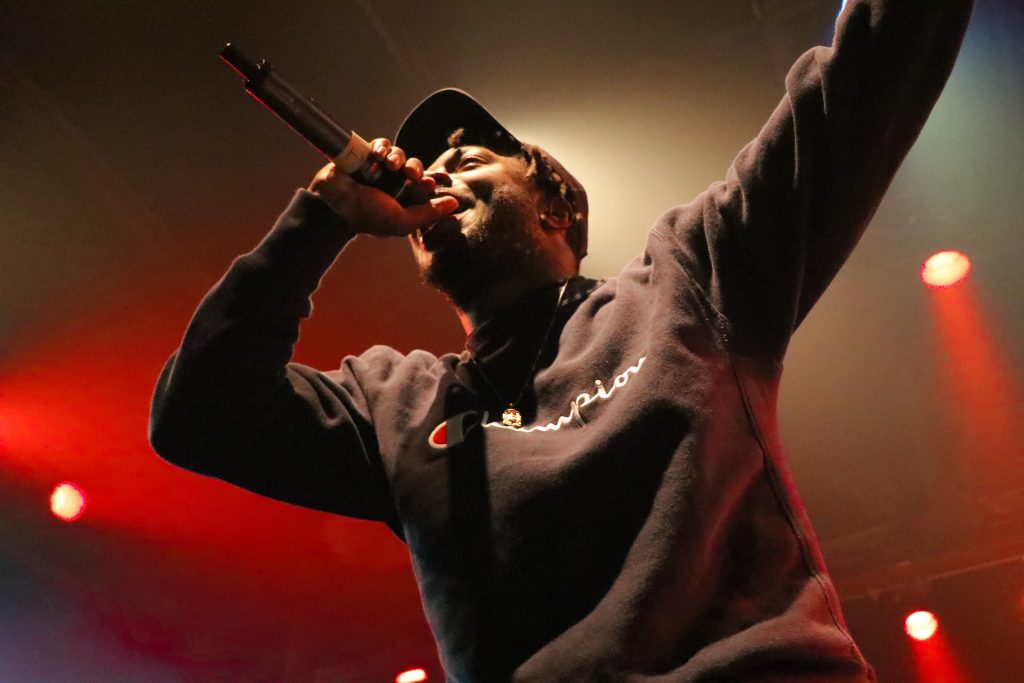
Similarly, rap music in the 1990s gave voice to the struggles of African Americans, particularly in inner-city communities. Artists such as Tupac Shakur and Notorious B.I.G. addressed issues such as police brutality, poverty, and the crack epidemic, providing a platform for those who felt marginalized by mainstream society. Hip-hop culture also became a symbol of empowerment for many African American youth, with its emphasis on self-expression and individuality.
Punk rock and grunge are other examples of music genres that reflect cultural trends and attitudes. Punk rock emerged in the late 1970s as a reaction to the commercialization of rock music and the conservative politics of the era. It was characterized by its raw, aggressive sound and lyrics that often expressed disillusionment and frustration with society. Similarly, grunge emerged in the early 1990s as a reaction to the excesses of the hair metal era and the superficiality of mainstream culture. It was characterized by its raw, emotive sound and lyrics that often addressed themes such as alienation and depression.
In all of these cases, music served as a powerful vehicle for expressing social and cultural views. It provided a platform for marginalized voices and a means of connecting with like-minded individuals. Through its ability to reflect societal changes and attitudes, music has played an important role in shaping the culture and history of our society.
Current cultural trends in music
The state of the music industry is a reflection of current cultural trends. Popular genres and artists are constantly evolving and adapting to reflect societal changes. For example, the rise of hip-hop in recent years represents a shift towards a more diverse and inclusive society. Hip-hop has provided a platform for marginalized voices and given a voice to those who have traditionally been silenced in society. Music can also influence cultural trends beyond just the genre itself. It can have a significant impact on fashion, language, and other cultural markers, which can in turn shape the attitudes and beliefs of society. As such, it is important to recognize the power that music has in shaping cultural trends and to critically analyze the messages and values that are being promoted through music.
Impact of music on society
The impact of music on society is undeniable and can be both positive and negative. Throughout history, music has been used as a powerful tool to bring about social change, as seen in the Civil Rights movement and the fight against AIDS. However, there are also potential negative impacts of music, such as the glorification of violence or substance abuse. It is crucial to recognize the impact of music on society and to listen critically to the music we consume to understand its cultural implications.
In conclusion, music is a powerful tool for expressing and reflecting societal changes. It has the power to influence cultural trends and bring about social change. However, we must also be aware of the potential negative impacts of music and listen critically to the messages it conveys. By recognizing the impact of music on society, we can appreciate the role it plays in shaping our culture and ourselves.