info@couturemedia.ca
1 888 969 0151

info@couturemedia.ca
1 888 969 0151

L'importance de la musique dans les rassemblements sociaux et les célébrations
Music has been an integral part of human society for centuries, enriching our lives in various ways. Whether it’s a joyous wedding celebration, a lively festival, or a religious ceremony, music plays a vital role in enhancing social gatherings and celebrations. It has the power to uplift our spirits, evoke emotions, and create a sense of unity among people. In this blog, we will explore the historical significance of music in social gatherings, dive into its psychological impact on social interactions, discuss how it enhances the celebration atmosphere, examine its role as a cultural expression, and explore its significance in rituals and ceremonies.
Historical Significance of Music in Social Gatherings
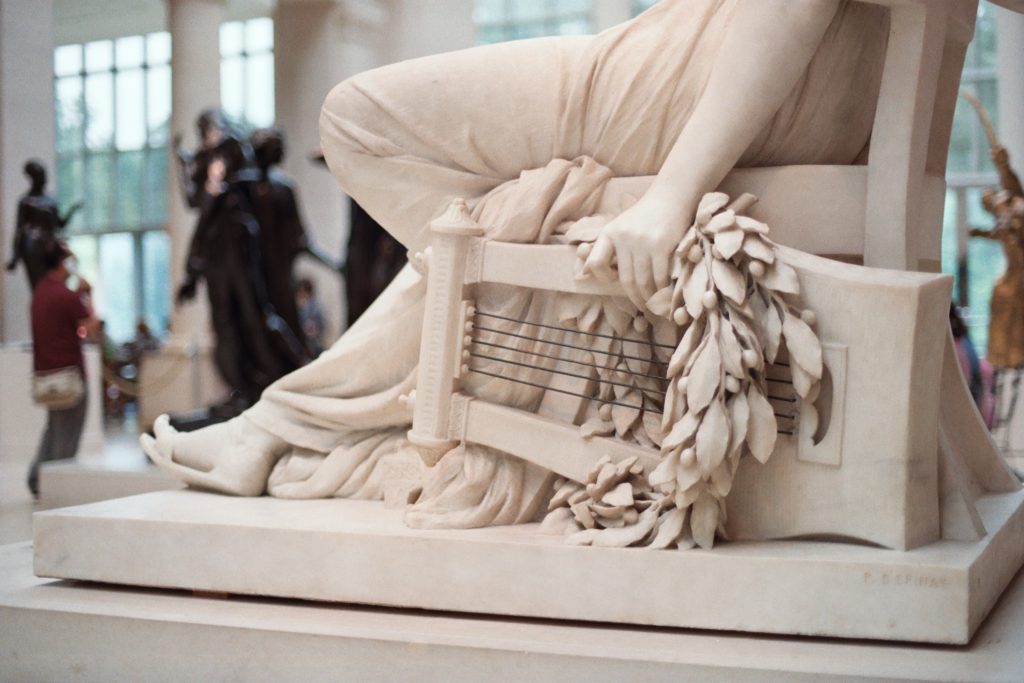
Looking back at ancient civilizations, we find that music has always been an inseparable part of social gatherings. From ancient rituals to grand ceremonies and festive occasions, music has been a constant companion. In ancient Egypt, for example, music was used to accompany religious ceremonies and processions, while in Greece, music played a central role in their theatrical performances and festivals. Over time, music evolved in style and purpose, adapting to the changing needs and desires of different cultures. It became a means of expression, a source of entertainment, and a symbol of cultural identity.
The Psychological Impact of Music on Social Interactions
Music possesses a remarkable ability to evoke emotions and create a positive atmosphere. It has a profound impact on our moods, influencing our thoughts, feelings, and behaviour. When music is present in social gatherings, it acts as a universal language that transcends barriers, bringing people together and forging connections. It has the power to break the ice and encourage social interaction, enabling individuals to bond and form lasting memories. Whether it’s a spontaneous dance floor at a party or a community sing-along, music has an enchanting ability to unite people and create shared experiences.
Enhancing the Celebration Atmosphere through Music
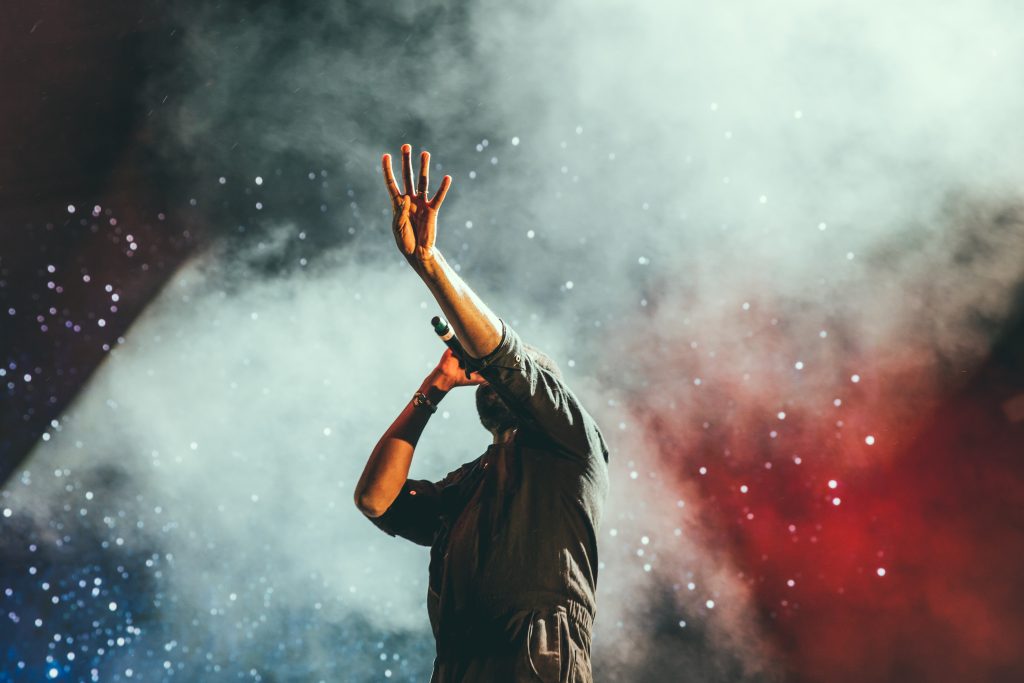
One of the key roles of music in social gatherings and celebrations is setting the tone and creating the desired ambiance. The choice of music genres and styles can greatly influence the atmosphere of an event. Soft, melodic tunes may create a calm and intimate setting, while upbeat and energetic rhythms can infuse a party with liveliness and excitement. Moreover, live music performances hold a special place in enhancing the celebration atmosphere. The presence of talented musicians and the interaction between performers and the audience add an element of spontaneity, elevating the overall experience and creating an unforgettable event.
Music as a Cultural and Identity Expression
Music serves as a reflection of cultural traditions and heritage. Different regions and communities have their own unique musical styles, instruments, and dances that are deeply rooted in their history and identity. Celebrations provide an ideal platform to showcase and celebrate this diversity. By incorporating traditional music into social gatherings, we not only pay homage to our cultural roots but also promote inclusivity and understanding among people from various backgrounds. Music becomes a powerful medium for cultural exchange, fostering appreciation and respect for different traditions.
Music’s Role in Rituals and Ceremonies
Throughout history, music has held a significant role in religious and spiritual gatherings. It adds a spiritual dimension to these events, heightening the sense of reverence and devotion. Whether it’s the soothing hymns in a church service, the melodic chants during a Buddhist ceremony, or the rhythmic drumming in an African tribal ritual, music creates a sacred space where individuals can connect with their spirituality. Moreover, music accompanies important life events and milestones, such as weddings, graduations, and funerals. It acts as a powerful symbol, marking the significance of these moments and reinforcing a sense of unity and solemnity among participants.
Technological Advancements and Music in Modern Gatherings
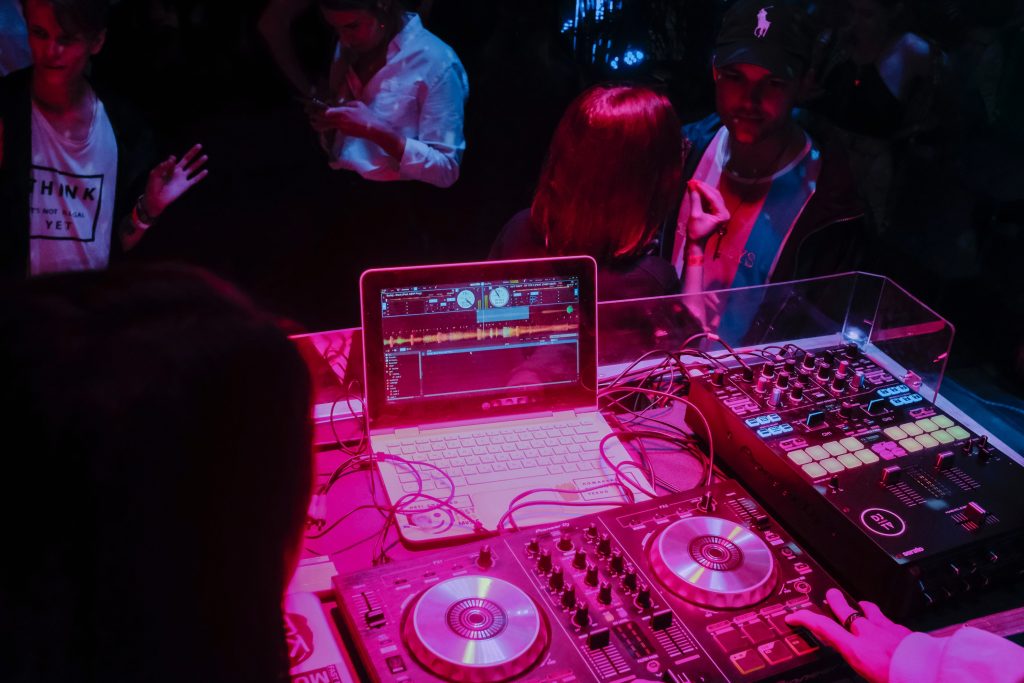
In today’s digital age, technology has revolutionized the way we experience and engage with music in social gatherings. Digital music platforms and curated playlists allow us to access an extensive library of songs, catering to diverse tastes and preferences. We can effortlessly create personalized soundtracks for our events, ensuring that the music resonates with the occasion and the attendees. Additionally, modern entertainment systems have seamlessly integrated music into social gatherings, providing immersive audio experiences and enhancing the overall atmosphere. Technology has empowered us to customize our music choices, making each celebration a unique and memorable experience.
Conclusion
Music has been an indispensable part of social gatherings and celebrations throughout human history. Its ability to evoke emotions, foster social interaction, and create a sense of unity makes it an invaluable asset in bringing people together. Whether through its historical significance, psychological impact, cultural expression, or role in rituals, music enriches our lives and enhances the collective human experience. As we continue to appreciate and utilize the power of music in future events, let us celebrate the enduring role it plays in our lives, spreading joy, connecting hearts, and creating cherished memories that last a lifetime.
Top Posts
La musique au service de votre entreprise


Couture Media est un partenaire revendeur premium de Soundtrack Your Brand
Essayez-le gratuitement pendant 14 jours !
1-888-969-0151
Qu'est-ce que Couture Media ?
Nous sommes le premier fournisseur de services de musique de fond pour les entreprises au Canada. Nous élevons les marques de détail grâce au pouvoir de la musique. C'est notre spécialité.