Est-ce la fin pour les créateurs de musique ? Disséquer l'éthique de la musique générée par l'IA
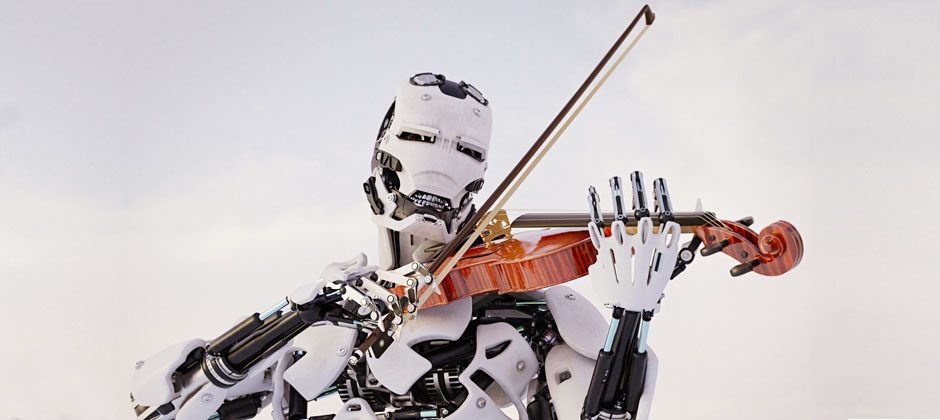
Artificial intelligence (AI) has recently been gaining popularity in the music space. AI-generated music has the potential to revolutionize the way we create and consume music. With AI-generated covers using the likeliness of voices from various artists popping up and taking over social media and now streaming platforms, there has been plenty of discussions recently surrounding the topic. In this blog we will dissect the Ethicality of AI-generated music, what the risks are and if it could be seen as a positive or a negative within the industry.
AI-generated Music was originally introduced as a way for users to craft “the perfect song” where artificial intelligence would analyze music preferences and generate a personalized track. However, with advancements in technology, AI-generated music has gone beyond just personalization and has now been used to create entire albums, and soundtracks, and even take the voices of popular artists and recreate entire songs. The use of AI in music creation has been met with both excitement and skepticism, with some musicians and critics raising concerns about the impact on the authenticity and originality of the music.
One of the foremost concerns pertaining to AI-generated music is the possibility of infringing upon existing copyright laws and licensing regulations. The use of pre-existing copyrighted material in AI-generated music may result in legal disputes over ownership and potential copyright infringement. This concern has already been brought to the forefront, as evidenced by the recent warning issued by Universal Music Group which asked streaming services like Spotify and Apple Music to stop artificial intelligence companies from accessing the label’s copyrighted songs to “train” their machines. The proliferation of such content across various social media platforms, including TikTok, underscores the growing popularity of the trend and highlights the need for proactive measures to address the legal complexities surrounding AI-generated music.
Another topic of discussion that has emerged with the development of AI-generated music using the voices of artists is the ethicality of the technology. The use of this new found technology raises important ethical considerations related to intellectual property, authenticity, ethicality, control, and transparency. [It is important for these issues to be discussed and addressed in order to ensure that the use of AI in music production is ethical and respectful of artists’ rights.]
Authenticity: AI-generated music that replicates the voices of other artists raises questions about the authenticity of the music. Is it really the artist’s work, or is it a simulation created by a machine? This can be problematic for fans who may feel cheated or misled if they believe they are listening to the artist’s authentic work. Ethicality: Recently AI has been used to take the voices of deceased artists, and use their voices to make covers of popular songs in today’s culture. During a recent survey, music fans stated that this technology, although interesting, felt inhumane, given that the deceased artists have no say in which ways their musical talents may be depicted. This can be deceptive as this technology could be used to create fake recordings of an artist saying or singing something they never actually did.
Control: The use of AI-generated music that replicates the voices of other artists raises questions about who actually has control over the music. If an artist’s voice can be replicated and used without their permission, at any given moment, it raises alarming questions about whether or not the artist will be about to retain control over their own work and sound. An example was recently when DJ David Guetta performed a song at a live show which sampled a completely AI-generated voice sample of rapper Eminem.
Transparency: It is important for the developers of these AI-generated tracks to be transparent about how the technology was used and how the music was created. This includes disclosing whether the artist gave permission for their voice to be used, and being clear about the role of AI in the creation of the music.
The increasing prevalence of AI-generated music raises concerns about its potential negative impacts on the music industry and the livelihoods of musicians. As AI-generated music becomes more sophisticated, there is a risk that it could eventually replace human musicians and songwriters, resulting in job displacement and lost income within the industry. This shift could have a profound impact on the music industry, changing the way music is created. As such, it is important for policymakers and industry leaders to carefully consider the implications of AI-generated music and take steps to mitigate any potential negative effects.
In conclusion, while AI-generated music has the potential to revolutionize the music industry, there are risks associated with this new technology that must be considered. The loss of human creativity, the potential for copyright infringement, the concerns over ethicality and deception, and the negative impacts on the music industry and musicians are all risks that must be addressed. As we continue to explore the potential of AI-generated music, we must do so with caution and awareness of these risks.
Nous sommes le premier fournisseur de services de musique de fond pour les entreprises au Canada. Nous élevons les marques de détail grâce au pouvoir de la musique. C'est notre spécialité.